As many of you know, we run Gardenequipmentreview.com, where we review garden tools and equipment, including forestry and horticultural machinery. We also have a website dedicated to plants and flowers, which complements our focus on gardening.
We decided to create a Facebook page to bring everything together. Whether you’re a seasoned gardener, landscaper, or just someone who loves plants, this page will be the perfect spot to stay updated on the latest tools, tips, and machinery recommendations.
What You Can Expect from Our Facebook Page
On the Everything for the Garden Facebook page, we’ll be sharing:
Engagement with our community of gardening enthusiasts
Although the page has only been up for less than 24 hours, we are already excited to start sharing more content, including reviews, tips, and discussions. We hope you’ll join us and be one of the first to follow our page.
Why Follow Our Page?
By following Everything for the Garden, you’ll get exclusive updates and content straight to your feed. We plan to use this platform to showcase content from both of my key websites:
If you have any thoughts or comments, feel free to leave a comment on this post or over on the Facebook page. We look forward to building this community and helping you with all your gardening needs!
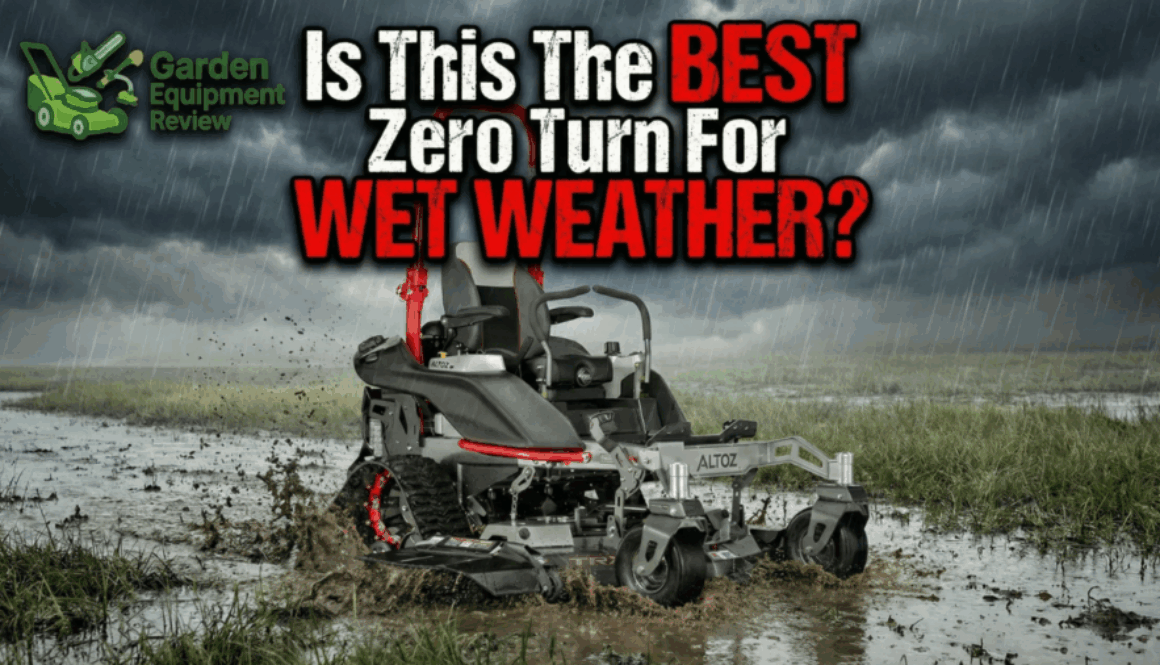
In this post, I want to talk about the Altos Zero Turn mower and whether it’s the best option for wet weather conditions. Recently, I came across a video on LinkedIn featuring a tracked Zero Turn mower, and it got me thinking about its performance, especially in wet conditions. After a dry summer followed by continuous rain, wet patches are likely to form on lawns, making this an important consideration for any homeowner or landscaper.
The tracked design of this mower caught my attention because it offers more ground contact, reducing pressure on the turf compared to traditional wheeled mowers. This is particularly useful in wet weather when the ground tends to become softer and more prone to damage. With spring coming up, I thought this would be a good time to dive into the benefits of using a tracked ZeroTurn mower in wet conditions.
Why I Think the Altos Zero Turn Mower Is Perfect for Wet Weather
The beauty of a tracked mower like the Altos Zero Turn is that the tracks provide better traction and help spread the load over a larger surface area. This means less pressure on the ground, which is crucial when mowing in areas that are prone to becoming soggy. When I look at the way the mower tracks, I can see how it can glide over wet patches, making it a solid choice for anyone working in conditions where wheeled mowers would struggle.
I’ve always been a fan of zero-turn mowers, having used several Ferris mowers in the past. These mowers are incredibly manoeuvrable, and the Altos model follows that same design principle. What I like most about zero-turn mowers is how easy they are to control—just two levers for forward and reverse, which allows you to make sharp turns without damaging the lawn. This is especially important when you’re trying to navigate around trees, flower beds, or other obstacles.
Altos Zero Turn Mower Specs
There are a few different models in the Altos range, depending on what you need:
20 horsepower model
29 horsepower model
38 horsepower model
Each model comes with a different cutting width to suit various lawn sizes:
54 inches (4’6″)
61 inches (5’1″)
66 inches (5’6″)
Warranty and Durability
One of the things I always look for in a mower is a solid warranty, and the Altos Zero Turn does not disappoint:
3-year homeowner warranty
2-year commercial warranty
1-year transmission warranty
This warranty gives me peace of mind knowing that the mower is built to last, especially if you’re investing in a machine for heavy use.
Conclusion
So, is the Altos Zero Turn mower the best choice for wet weather? I certainly think it’s a strong contender. The tracked design, combined with the zero-turn capabilities, makes it ideal for navigating wet and uneven surfaces. If you’re looking for a mower that performs well in tough conditions, this could be exactly what you need.
If you’ve got any questions or thoughts about the Altos Zero Turn mower, feel free to leave a comment below. And if you’re interested in purchasing, you can get in touch with Stuart Rose or check out the US dealer if you’re located in the States.
Thanks for reading, and don’t forget to check out my other reviews and tips on garden equipment here at GardenEquipmentReview.com!
Everything You Need To Know About The Dipperfox Stump Grinder
In this detailed review and buyer’s guide, we explore the Dipperfox stump grinder system after a long-form interview with Joel from Dipperfox. If you’re comparing traditional wheel-based stump grinders with the drilling/grinding action of Dipperfox, this article covers who each model suits (SC400, SC600, 850 Pro), real-world productivity, maintenance and running costs, carrier set-up tips, rocky soil considerations, safety, warranty, and where to see a live demo.
What it is: A hydraulic stump grinding system that drills and grinds the stump in situ, leaving roots to stabilise the ground and creating minimal flying debris.
Who it’s for: Arborists, estate managers, councils, contractors, and anyone working near buildings, glass and vehicles where debris control matters.
Key benefit: On suitable sites, Dipperfox can be significantly faster than traditional wheel grinders, with less set-up and clean-up time.
Models: SC400 (tight access, compact carriers), SC600 (parks/estates, medium projects), 850 Pro (infrastructure and large clearance work).
1. How Dipperfox Works vs Traditional Stump Grinders
Traditional grinders use a horizontally spinning wheel with teeth that sweep back and forth across the stump. This can be effective, but often throws debris, needs boarding near windows and cars, and creates a lot of repositioning.
Dipperfox uses a vertical drilling/grinding action. The cone and cutting plates drive into the timber and break it down in place. The process generally produces less flying debris, which is a major advantage in domestic settings and heritage sites. Because the stump does not need to be dug out, the surrounding soil and roots remain to stabilise the ground, reducing refill and rutting on longer projects.
Related: Self-Propelled Stump Grinder or Dipperfox SC400?
A practical comparison of traditional self-propelled wheel grinders versus the SC400’s low-debris
drilling method—covering tight UK garden access, carrier options (mini excavators ~1.5–5 t,
compact loaders) and real-world speed observations.
Practical comparison of a traditional self-propelled wheel grinder versus the Dipperfox SC400 drilling method —
with notes on tight UK garden access, carrier options, and where the SC400 makes the most sense.
Cutting diameter ~850 mm; working depth up to ~900 mm in real sites
3. Speed, Workflow and Site Productivity
On suitable sites, the Dipperfox method can be markedly faster than traditional wheel grinding. The time savings come from:
Minimal boarding and shielding: Less debris means less time spent protecting glass, vehicles and public spaces.
Less repositioning: With the vertical approach, you often spend more time drilling and less time moving the rig.
No hauling of stumps: You’re not extracting heavy root plates; you grind in place and move on.
In larger-scale operations, contractors report high hourly stump counts with the 850 Pro, especially when stumps can be accessed efficiently.
4. Depth, Diameter and Very Large Stumps
Typical working depth with the 850 Pro is up to around 900 mm, which is deeper than many domestic sites require. For oversized stumps with the SC400, the technique is to drill a ring around the perimeter and then work towards the centre. Not every stump is the same; species, age and moisture content all affect the grind.
5. Compatible Carriers and Set-Up Essentials
Dipperfox heads rely on correct hydraulic flow, pressure and a proper case drain. Many modern carriers ship in conservative “safe” configurations, so ensure your dealer or technician dials in the actual flow and pressure needed, and confirms the return and drain routing. If the head feels weak or slow, the carrier set-up is the first thing to check.
SC400: Popular on compact loaders and mini-loaders; serrated plates and the X5 screw suit most regions; X2 screw is preferred for very hard, frozen or Nordic hardwoods.
SC600: Suitable for larger compact and mid-sized carriers; now supports an updated cone splitter attachment.
850 Pro: High-flow excavators with approximately 250 L/min and robust system pressure (ensure the carrier can genuinely deliver the spec in real work).
6. Maintenance, Blades and Tips
Routine maintenance is straightforward: prioritise hydraulic oil health (Dipperfox recommends frequent changes around 200 hours depending on duty) and keep the cutting plates within the specified angle. A surprising number of “it’s not cutting” complaints are resolved by correcting the blade angle.
Blade care: Flip plates in the field to the alternate edge, then sharpen during breaks. Expect long life when angles are maintained and soil contact is minimised.
Tips: Newer D-shaped tips are designed to deflect smaller stones and release them as swarf rather than take direct impact.
7. Rocky Soils and Hidden Hazards
No system loves surprise metal, concrete or boulders. Read the feedback through the carrier; if penetration changes suddenly, pause and investigate. On sites with excavators present, it’s worth watching what comes out of trenches to gauge soil conditions. In stubborn areas you can change approach angle, clear obstructions, or work the perimeter first.
8. Cost of Ownership: What Really Matters
The two biggest savings with Dipperfox are labour time and fuel (or hire hours on the carrier). Reduced boarding, less repositioning and no stump hauling all add up. The head itself has simple scheduled maintenance; consumables are primarily oil, plates and the screw assembly over long life. Compared with traditional grinders, many operators find the overall cost per stump favourable once the workflow is optimised.
9. Warranty, Dealer Support and Demos
Warranty: 1 year standard + 1 year upon online registration (1+1).
Dealer coverage: A global network with factory support. If an urgent failure occurs during a time-critical project, dealers and factory can support fast swap-outs where appropriate.
Demos and shows: Check the dealer map on the Dipperfox website for your nearest demonstration. There are frequent appearances at arborist and construction shows worldwide.
Mostly domestic, narrow gates and lawns: SC400.
Mixed estates, parks, heritage and mid-scale runs: SC600.
Clearance, infrastructure and forestry edges: 850 Pro.
If your business already owns compact loaders like Avant or Multione, the SC400 is usually the simplest way to add stump capability with minimal debris and fast site turnover. For excavator fleets, the 850 Pro turns into a high-throughput specialist on open ground.
11. FAQs
How deep can it go?
On larger heads like the 850 Pro, up to around 900 mm in typical use. Most domestic stumps don’t require that depth.
What about very large stumps?
With smaller heads, drill a ring at the perimeter then work inward. The SC400 can handle oversized stumps by changing the pattern rather than forcing a single deep pass.
Do I still need a traditional grinder?
Some arborists keep a compact wheel grinder for the tightest, awkward corners. Many use Dipperfox for everything else because of the speed and low debris.
What’s the most common set-up mistake?
Carrier settings. Ensure correct flow, pressure and a proper case drain. If the head feels slow, inspect the carrier before blaming the tool.
How often do blades/tips need attention?
Flip plates in the field and sharpen regularly. Keep the cutting angle within spec to avoid polishing the stump instead of cutting.
Dipperfox changes the stump game for many operators. By drilling and grinding in place, you reduce debris, minimise site damage, and speed up the workflow. Choose the head that fits your tightest access and the carrier you already run, keep the blades at the correct angle, and make sure your hydraulics are set correctly. For councils, estates and contractors working near buildings and the public, the low-debris approach is a major advantage.
Verify your carrier’s flow, pressure and case drain setup before the demo.
Plan a mixed batch of stumps (small, large, different species) to see real-world results.
Disclosure: This review is based on a long-form interview and practical experience with stump grinding workflows. Always confirm current specifications with your dealer before purchasing.
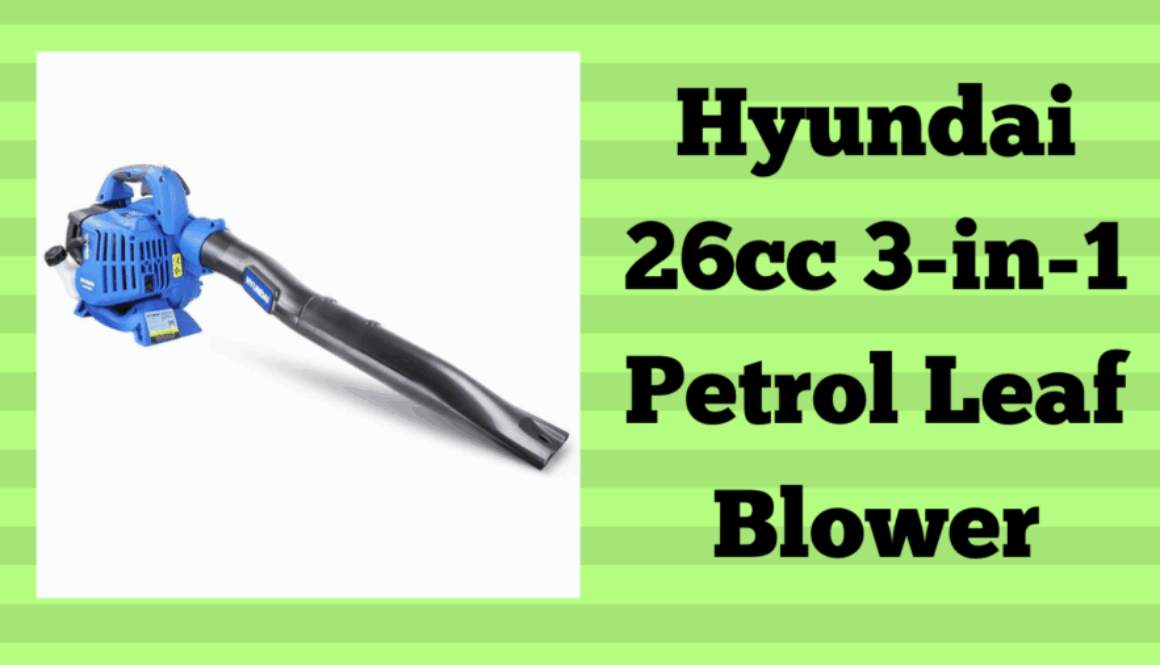
In this blog post and video. I take a closer look at the Hyundai 26 cc three-in-one petrol machine that functions as a leaf blower, vacuum, and shredder. It is aimed at the homeowner who wants a low-cost way to clear leaves and light debris from patios, paths, and driveways.
This model suits domestic users who want an affordable petrol blower for occasional work during the autumn and for general tidy-ups throughout the year. I would not recommend it for commercial work or for frequent use over long periods.
Main features
26 cubic centimetre two-stroke petrol engine
Blower, vacuum, and shredder functions
Variable speed trigger
Stated air speed of 157 miles per hour
40 litre collection bag
Weight of 6.7 kilograms
Three-year domestic warranty and one-year commercial warranty
Real-world use and my approach
Although it offers vacuum and shredding functions, I prefer to use this type of machine mainly as a blower. For most patios and driveways it is faster to blow debris into a pile and collect it with a barrow or bag, rather than to vacuum it. Handheld blowers are also very useful for blowing down machinery after use, which saves time compared with a broom.
Build quality and design notes
At this price point there are signs of cost saving in materials and finish. The outlet on the tube appears narrow, which may reduce efficiency in some situations. The supplied harness helps, but on lower-cost machines there is usually less vibration damping than on premium brands. None of this is unexpected for a budget model, but it is worth knowing before you buy.
Strengths
Low purchase price for a petrol blower
Useful variable speed trigger for better control
Light enough for short domestic jobs
Domestic warranty provides reasonable peace of mind
Limitations
Not suitable for commercial use or heavy, frequent workloads
Vacuuming large areas can be slow due to collection bag size
Narrow tube outlet may reduce blowing efficiency in some conditions
Less vibration damping than premium machines
Key specifications
Engine
26 cubic centimetre two-stroke petrol
Functions
Blower, vacuum, shredder
Airspeed
157 miles per hour (stated)
Collection bag
40 litres
Weight
6.7 kilograms
Warranty
Three years domestic, one year commercial
Verdict
If you want a low-cost petrol blower for light domestic work, this Hyundai model represents good value. Use it mainly as a blower for faster results, keep expectations realistic about build quality, and you should be satisfied for seasonal tidy-ups. If you need a machine for frequent or professional work, consider a premium brand such as Stihl, which costs more but typically lasts longer with regular use.
Price and availability
Prices can vary. For the current price and any available offers, check the product page on this website.
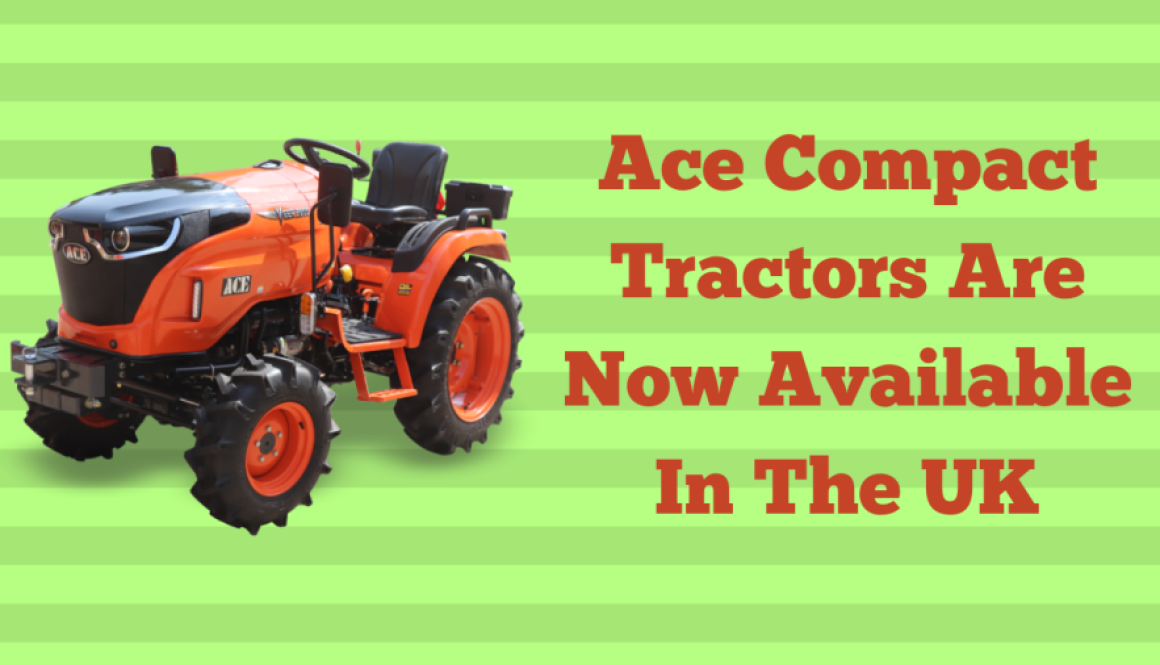
I recently noticed ACE compact tractors arrive in the UK, first via LinkedIn and then on the Terry Harrison Machinery website. These tractors immediately caught my eye for one key reason: value. Below is a quick briefing with links to brochures, current dealer pricing, and some alternatives to compare.
Who are ACE?
ACE (Action Construction Equipment Ltd.) is an established Indian manufacturer producing a range of agricultural tractors (roughly 15–90 hp) alongside their well-known construction equipment lines. Their compact models are now showing up in the UK through selected dealers.
UK Dealer and Introductory Price
Terry Harrison Machinery is listing ACE compacts with brochure downloads and specs. As of 18 August 2025, they’ve posted an introductory offer for the 26 hp model at £8,495 + VAT with tyre options. Always check their page or call for the latest pricing and availability.
Why ACE Caught My Eye
Strong headline price: Getting into a new compact at well under £10k + VAT is notable.
Practical spec: 4WD options, industrial/wide turf tyre choices, and a straightforward diesel powertrain aimed at estates, smallholdings, landscapers and yard work.
Implements and packages: The dealer notes implements in stock and package deals, making it easier to get a turn-key setup.
Who It Suits
If you need a capable compact for yard work, small fields, topping, sweeping, trailer work and general PTO tasks—but want to keep purchase costs sensible—an ACE compact could be worth shortlisting. Always match the tractor to your implement weight/width, lift capacity and PTO power requirements.
Buying Notes (Read Before You Order)
Emissions & compliance: Confirm UK Stage V compliance and homologation for the exact model you’re considering.
Warranty & after-sales: Verify warranty length, what it covers, and parts/service support with the dealer.
Spec check: Double-check gearbox type, rear lift capacity, hydraulics, PTO options and tyre sizes to suit your implements.
Total cost: Factor delivery, PDI, ballast, loader/third function, and any extra spools or front linkage if needed.
If you’re running an ACE compact, I’d love to hear your experience—what implements you use, real-world fuel use, PTO performance and service/parts availability. Feel free to leave a comment below.
Disclosure: Pricing and specifications can change; please confirm details with the dealer before purchasing.
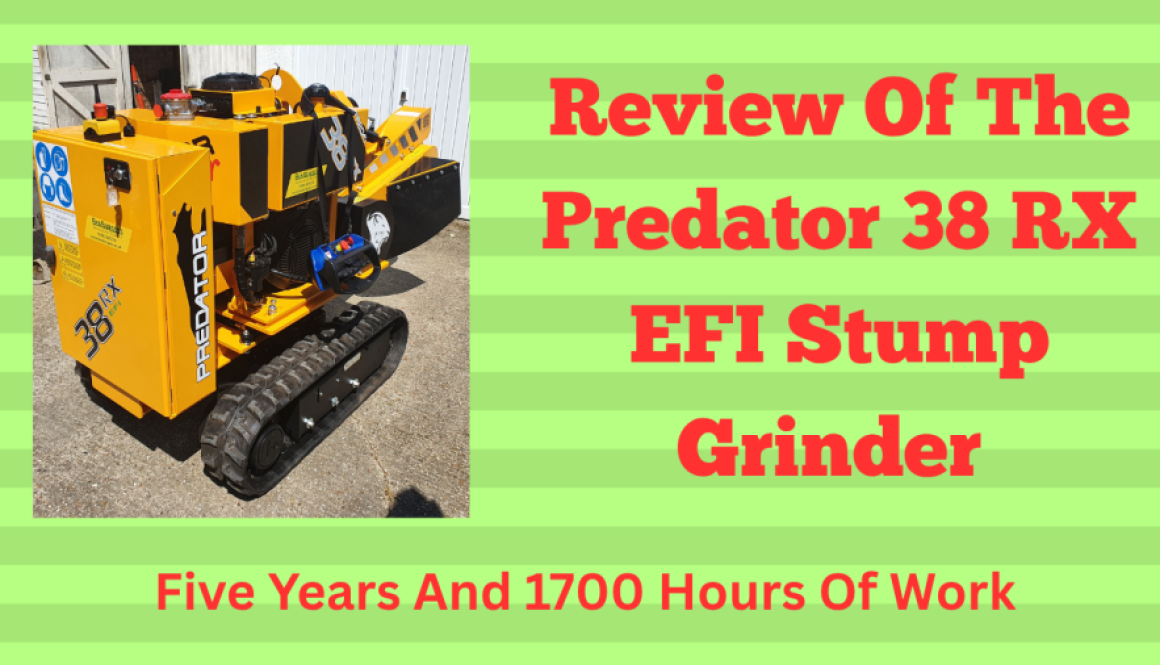
Review Of The Predator 38 RX EFI Stump Grinder Five Years
Today, we are looking at the review of the Predator 38 RX EFI tree stump grinder. After five years of ownership and over 1700 hours of operation, it’s time to take a look into how the Predator 38 RX EFI stump grinder has held up under professional use. I’ve been the sole operator of this machine since it was brand new, so everything in this review is based on personal hands-on experience.
General Overview
Overall, the Predator 38 RX EFI has been a solid and reliable machine. It hasn’t had the easiest of lives — being used regularly for stump grinding jobs and exposed to harsh weather conditions. Yet, it has continued to perform well and deliver reliable power and efficiency.
Cutter Head and Bearings
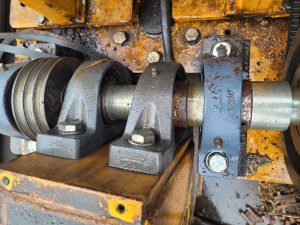
I’ve had one set of bearings replaced on the cutter head. I can’t remember exactly how many hours they lasted — possibly around 1000 hours. The current set has been going for roughly 700 hours. Bearing longevity seems to depend heavily on what debris gets caught around the seals, but routine greasing has helped.
Replacement Bearings
Belts and Pulley Maintenance
The drive belts and pulleys have been another area of interest. I’ve found that the belts running from the pulley to the cutter head typically last around 500 hours. Regular tensioning seems to extend their lifespan. Surprisingly, the original belts inside the main compartment are still in use after 1700 hours.
Recent Bearing Replacement
Just recently, four bearings located along the main shaft needed replacing. They lasted the full 1700 hours, which is impressive. The cost was approximately £61 per bearing, totalling around £244 plus labour. Replacing them was a fairly straightforward task.
Greasing Schedule
The front bearings are greased daily — just a couple of pumps before heading out each morning. I’ve been advised not to over-grease as this can push the seals out. The bearings underneath are supposed to be greased every 1000 hours, which I find a bit surprising, but so far, this routine has worked.
Engine Reliability
The engine has required minimal attention. I change the oil and oil filter every 100 hours, which I think is well worth doing to extend the life of the machine. Apart from that, the engine still sounds great and delivers consistent power.
Fuel Pump and Charging System
I had to replace the lift pump around the 1500-hour mark. It was a quick fix, handled by my local engine specialist. I also had to replace the charging unit due to dirt building up and causing wear. It was no longer charging at full capacity, dropping from 30 amps to just 3 amps. Again, the repair was straightforward, and the machine was back up and running quickly.
Paintwork and Corrosion
If I had one major gripe with the Predator 38 RX EFI, it would be the paintwork. Despite being stored in the dry, it travels on an open trailer, and winter salt exposure has taken its toll. Paint has peeled off in several areas, and rust is now visible. It appears the machine is powder coated, which hasn’t held up well against road salt. The rear door — which sees less salt — still looks almost new.
Final Thoughts
Despite minor issues, I can confidently say that the Predator 38 RX EFI stump grinder has served me extremely well. It still runs smoothly, the engine is strong, and all components function as they should. If you’re in the market for a professional-grade stump grinder, this machine is definitely worth considering.
I’ve covered the Predator 38 RX EFI before. You may find these earlier reviews helpful if you want to see how the machine has performed over time:
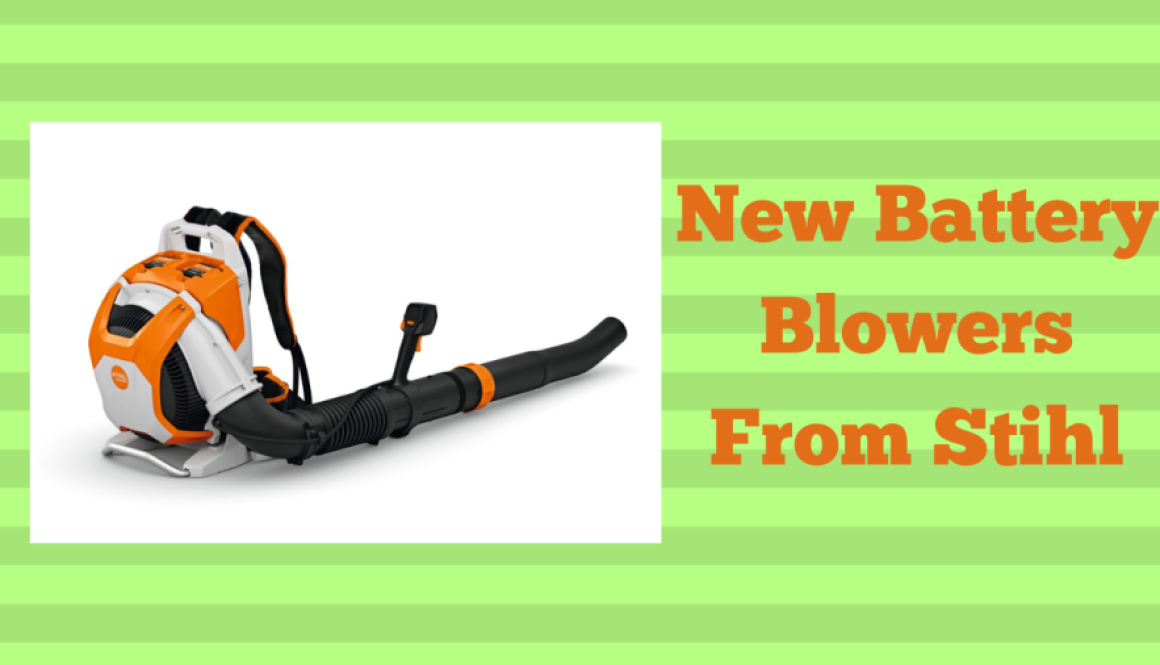
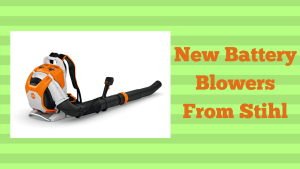
Today, I want to share a detailed look at two new battery backpack blowers from STIHL – the BGA 500 and the larger BGA 600. These are part of STIHL’s AP system of cordless tools, designed to give professional performance without the need for petrol.
Model Confusion: 500 vs 600
First off, the numbering can be a bit confusing. The BGA 500 is roughly equivalent to the STIHL BR600 petrol blower, while the BGA 600 compares to the STIHL BR700 or BR800. I’m not sure why STIHL didn’t keep the numbering in line with their petrol models – it would certainly make comparisons easier.
Stepping Up from the BGA 300
A couple of years ago, STIHL released their first cordless backpack blower, the BGA 300. While it performed well for a battery blower, the new 500 and 600 models are significantly more powerful, offering performance that genuinely rivals petrol machines.
Power and Performance
Both machines use STIHL’s 72V AP battery system. The recommended option is the AP500 battery, which delivers the longest runtime. The BGA 600 achieves a maximum blowing force of 35 Newtons with a round nozzle, putting it right in line with STIHL’s higher-end petrol models.
Runtime Estimates
BGA 500: 20–39 minutes (with AP500 battery)
BGA 600: 34–80 minutes (with AP500 battery)
While these runtimes are respectable, if you’re working all day – for example, blowing leaves or clearing large areas – you’ll likely need extra batteries or a way to charge on the go.
Weight Comparison
The BGA 600 weighs around 14.5kg with batteries, compared to about 11.7kg for the BR800 petrol blower. On paper, that’s a noticeable difference. However, in practice, I’ve found that STIHL’s petrol backpack blowers, such as the BR600 I own, never feel too heavy. The harness system helps distribute weight comfortably, so the extra kilos with the battery version may not be a big issue.
Pricing and Setup Costs
This is where things get interesting. Here’s a breakdown of the current prices (including VAT):
BGA 600: £1,029 (blower unit only, no batteries)
AP500 batteries: £429 each – you’ll need two
Standard charger: approx. £149
Multi-battery charger: just over £300
That means your total setup cost can easily climb well above £2,000. In contrast, the STIHL BR600 Magnum petrol blower is available for around £964, ready to use as soon as you add fuel.
Features I Appreciate
Consistent Power: STIHL’s intelligent batteries maintain consistent performance right until they’re flat, unlike some other brands where output declines as the charge drops.
No Starting Hassles: Just slot in the battery and press the switch – no fuel, no pulling cords.
Low Maintenance: No spark plugs, carburettors, or fuel issues to deal with.
Quiet Operation: Significantly quieter than petrol blowers, which is a big plus in noise-sensitive areas.
Potential Drawbacks
Cost: The upfront cost is much higher than petrol models.
Runtime Limitations: With 20–80 minutes depending on the model, you’ll likely need extra batteries for long jobs.
Weight: Slightly heavier once you add the batteries, although not unmanageable.
Battery Interchangeability
One advantage of STIHL’s AP system is that the same batteries can be used across their range of cordless tools – from hedge trimmers and chainsaws to strimmers and lawnmowers. If you’re already invested in STIHL’s battery tools, this makes the blowers more appealing as you can share batteries between machines, reducing the overall cost.
Accessories and Charging Options
For professionals, STIHL also offers a battery power supply pack at around £3,869 – though this won’t be practical for most. More realistically, a vehicle charging system is a sensible investment for contractors who need to charge batteries on the go between jobs.
How Do They Compare to Petrol Models?
Having used several STIHL petrol blowers over the years, including the BR600 Magnum, I can say they’re excellent machines. The BR600 offers great power, reliability, and a lightweight feel. The BR800 is even more powerful, designed for heavy-duty use with superb blowing force. Both are proven, dependable tools.
Battery models like the BGA 500 and BGA 600 offer the advantage of quiet, emission-free operation with instant starting, but you need to factor in the higher costs and potential need for multiple batteries.
My Thoughts and Experience
I personally still prefer petrol models for their unlimited runtime and lower setup costs. However, many contractors and homeowners I know are moving to battery, and the feedback on STIHL’s cordless tools has been positive. If you’re mainly doing short jobs like cleaning up after garden work, the runtime may be more than enough, and the quiet operation is a huge benefit.
For those working all day, investing in several batteries or a vehicle charger is almost essential. Over time, you save on fuel costs, which does offset the investment somewhat.
Conclusion
The STIHL BGA 500 and BGA 600 are well-built, powerful, and efficient battery backpack blowers. If you’re already in the STIHL AP ecosystem, these could be a smart choice. But if you’re not ready for the high upfront costs, the BR600 or BR800 petrol blowers remain excellent, cost-effective options.
I’d love to hear your experience: Have you used the STIHL BGA 500 or 600? How do you find them compared to petrol blowers? Please share your thoughts in the comments below.
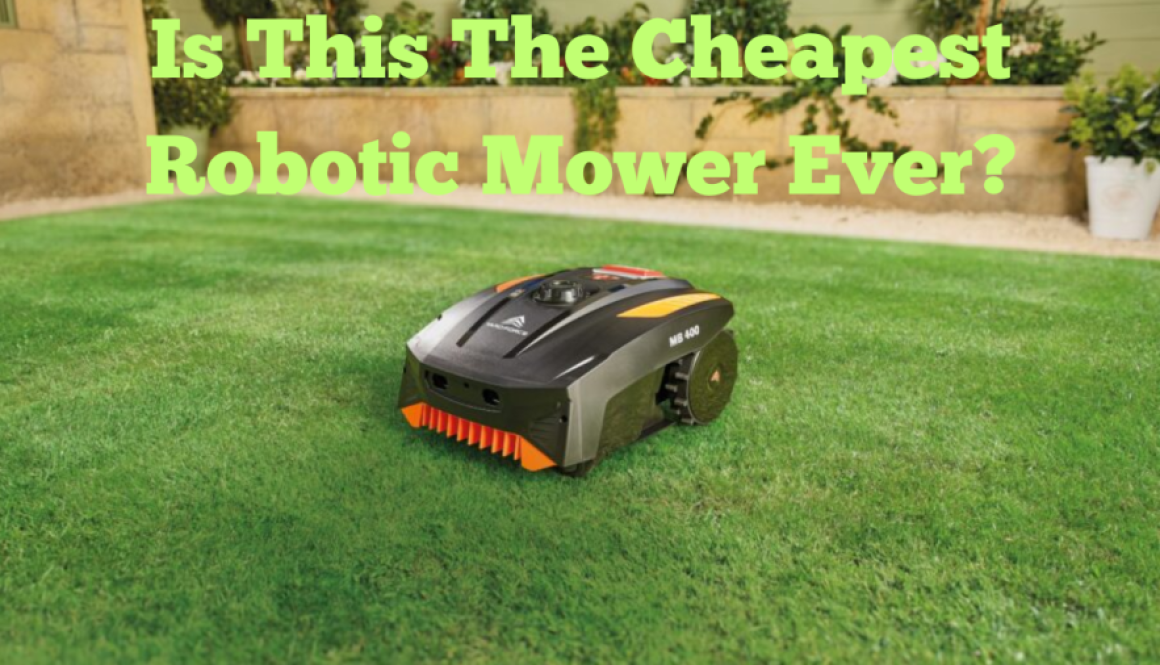
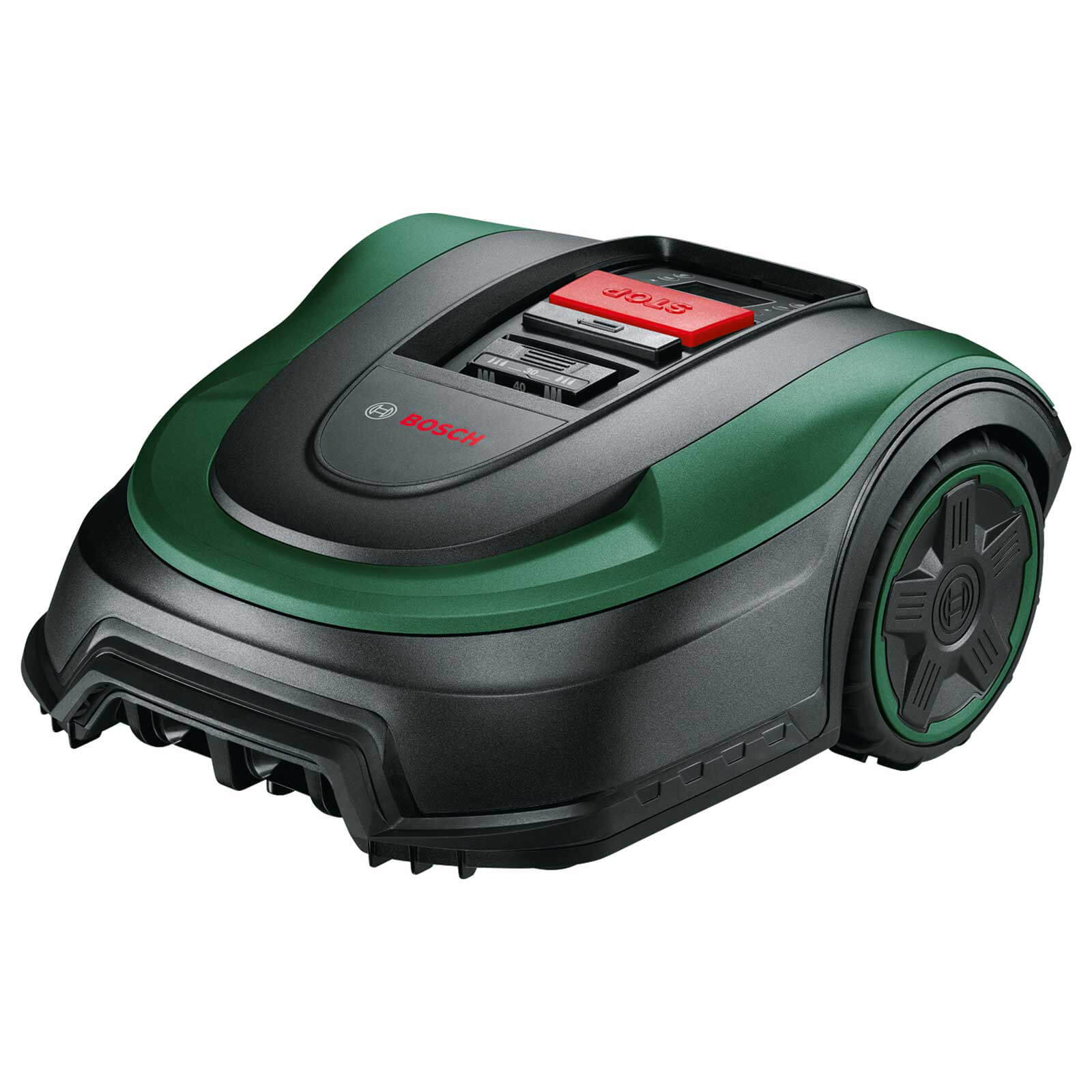
Today I’m taking a look at what could be the cheapest robotic mower available in the UK market – the Aldi Ferrex robotic mower, priced at just £199.99. I came across this mower recently and found it quite remarkable how low the price is compared to other models on the market. Incidentally, we do offer various types of robotic mowers, starting from around £357. As I mentioned, cheap doesn’t always work out cheap, I don’t want to undermine anyone’s machine, but it’s important that you have a parts backup and something that’s going to last few years.
Features of the Aldi Ferrex Robotic Mower
This mower is currently available through Aldi’s Special buy promotions. It covers lawns up to 400 square metres, which is ideal for many small to medium-sized UK gardens. The cutting heights are adjustable between 20 and 55 millimetres, and it comes equipped with:
Obstacle sensors to avoid bumps
Tilt sensors to stop the blades if lifted
Turnover sensors for safety if it flips
It handles slopes up to 30% and is controlled via a Bluetooth app for scheduling mowing times. For a mower at this price point, these features are quite impressive. It also includes a charging station and an all-weather cover.
Perimeter Wire Setup
Unlike newer robotic mowers that use GPS or camera-based navigation, this Aldi mower requires a perimeter boundary wire to define the mowing area. The wire comes included, but it can take 1–2 hours to install properly, depending on your garden size and layout.
From my experience, it’s worth taking your time to set up the wire correctly, especially around edges, to avoid missing any areas and to reduce the need for trimming.
Is Cheapest Really Cheapest in the Long Run?
Although £199.99 is incredibly cheap for a robotic mower, it’s worth considering long-term running costs and availability of spare parts. Aldi’s mower is made by Ferrex, a German company, but it’s unclear how easy it will be to source parts if needed.
I generally prefer investing in quality machinery. Even though you’re not physically pushing a robotic mower, it’s still important to have something reliable and well-constructed that will last for many seasons.
Alternative Robotic Mowers to Consider
If you’re looking for a robotic mower with established brand support and readily available spare parts, here are some options from our website below.
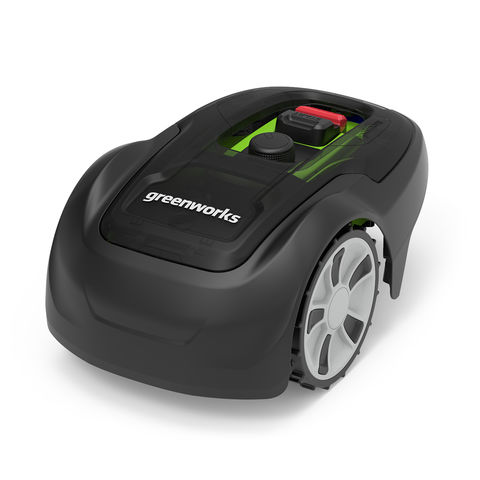
Greenworks Optimow 450 Robotic Lawnmower
Robotic mower suitable for lawns up to 450m². Compact 17cm cutting width. Click for full features, pricing, and specifications.
AI-powered mower with integrated battery and charger. Ideal for larger gardens up to 1200m². Click to see full specifications and pricing.
Robotic Mower vs Contractor Costs
I often remind people that while a robotic mower is an upfront investment, it can save significant costs over time. For example, if you pay a contractor £600 per year to cut your grass, over 5 years that totals £3,000. In comparison, a one-off robotic mower purchase of around £500 plus minimal running costs can represent excellent long-term value.
Final Thoughts
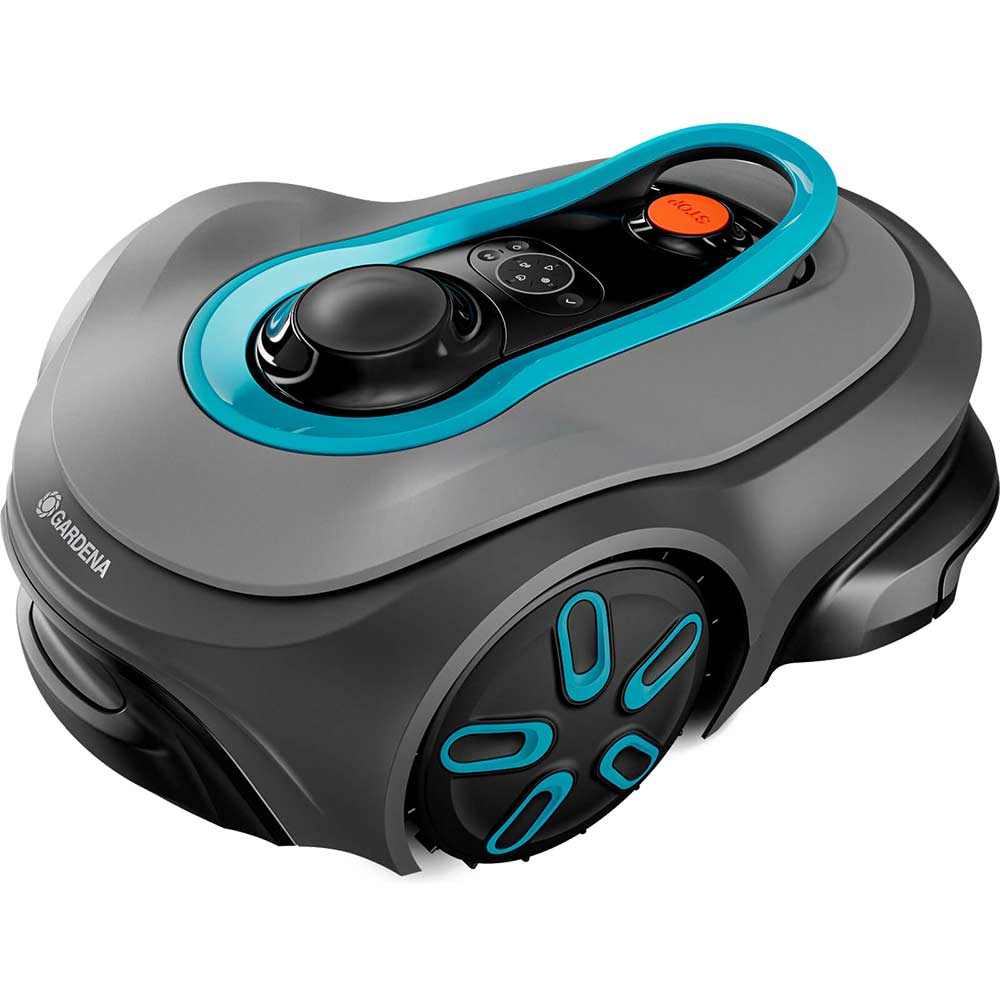
Personally, I like to invest in quality machinery that’s built to last. Whether you choose an Aldi Ferrex mower or a higher-end Husqvarna or Gardena model, robotic mowers are a great way to save time and maintain your lawn effortlessly.
For more reviews and comparisons, check out my full range of robotic mowers here.
If you have any questions or experiences to share about robotic mowers, please leave a comment below – I’d love to hear from you.
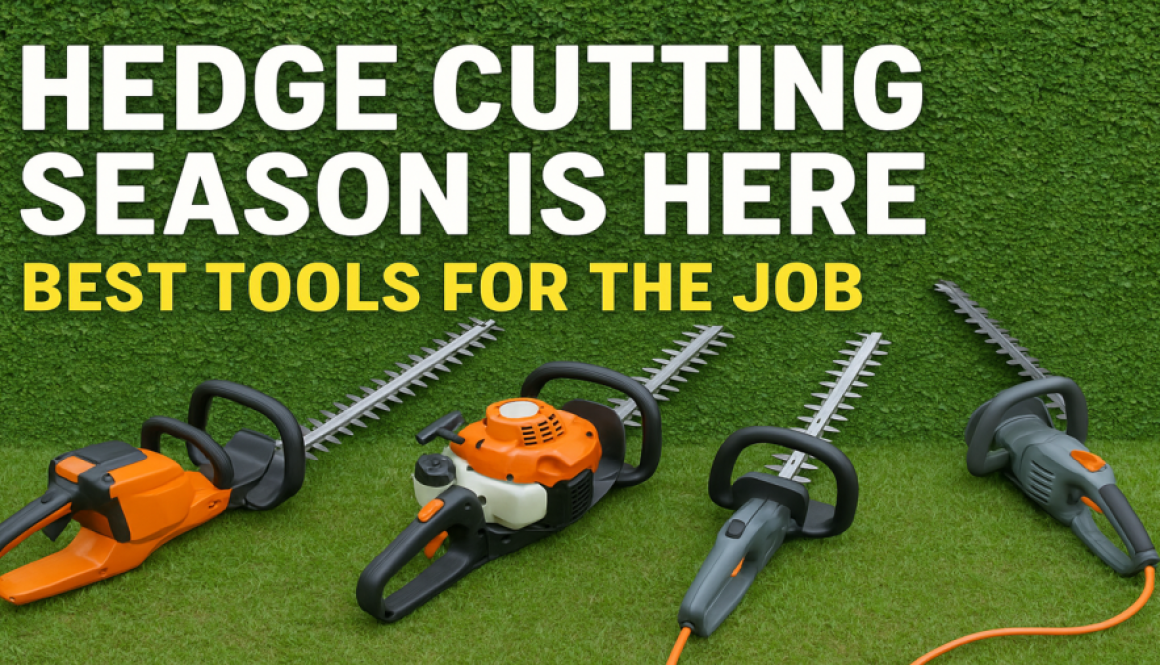
The title of my blog post today is “The Hedge Cutting Season Is Here – Best Tools for the Job”. With summer in full swing, it’s the perfect time to tidy up those hedges. At Garden Equipment Review.com, we’ve reviewed a wide range of hedge trimmers to help you find the right tool for your garden—whether you’re trimming a small hedge or tackling a large overgrown boundary.
Why Now Is the Time to Trim Your Hedges
Hedge trimming season is ideal during summer, especially after the first flush of growth in spring. Keeping your hedges neat not only improves the appearance of your garden but also promotes healthy growth and keeps your outdoor space manageable.
Choosing the Right Hedge Cutter
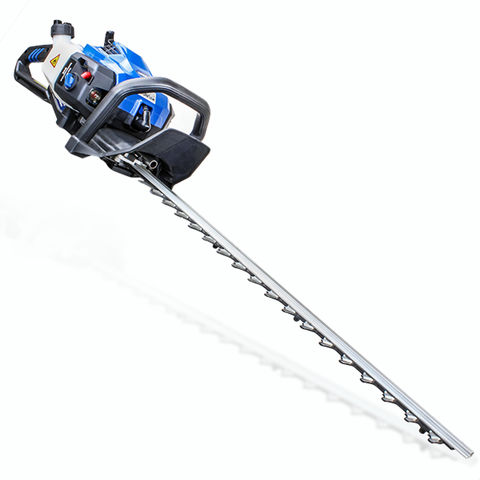
There are many options on the market—cordless, electric, petrol, long-reach—and each serves a different purpose. Below is a breakdown of some top recommendations we featured in our recent YouTube video.
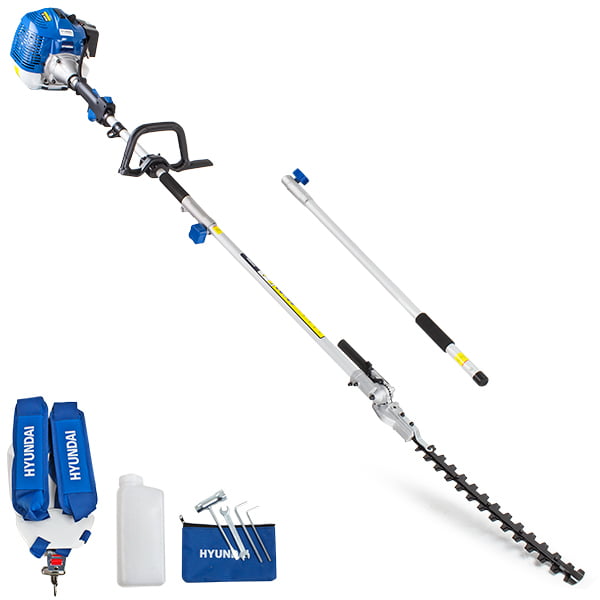
Hyundai 52cc Long Reach Hedge Trimmer – £129.99
This long-reach hedge trimmer is powerful, versatile, and comes with a 52cc engine—great for tackling taller hedges without a ladder. Surprisingly affordable for the specs it offers. You can find more Hyundai products here, including hedge cutters.
Hyundai 52cc Long Reach Hedge Trimmer – £129.99
A powerful and affordable long-reach hedge trimmer with a 52cc engine and extension pole. Perfect for tall hedges and difficult-to-reach areas.
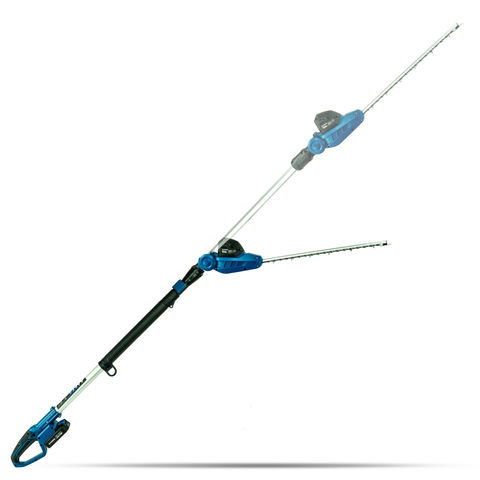
If you want the freedom of cordless operation without the noise of a petrol engine, this rechargeable model offers great value. It’s suitable for lighter work and comes with Hyundai’s generous warranty.
Hyundai 20V Cordless Hedge Trimmer – from £94.98
Rechargeable, easy to handle, with 2.0 Ah lithium‑ion battery included.
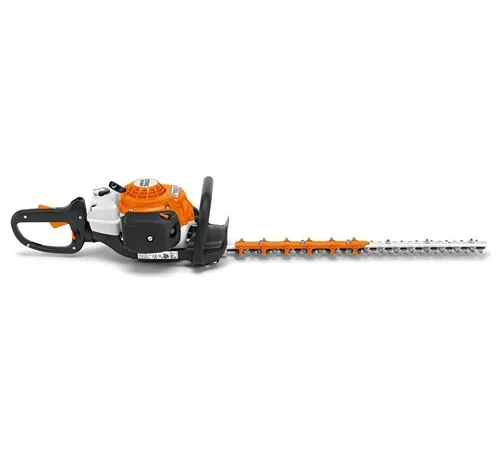
A professional-grade hedge cutter available in 24″ and 30″ blade lengths. This model is ideal for regular users who want performance, durability, and ease of use. It’s a long-term investment that pays off.
Stihl HS 82 Hedge Cutter
A professional-grade hedge trimmer available in both 24″ and 30″ versions. Ideal for regular and intensive garden maintenance.
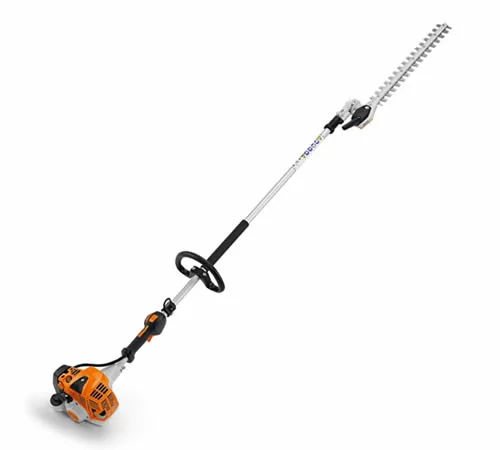
Perfect for landscapers or serious gardeners, the Stihl combi system offers versatility and power. You can attach different heads to the same power unit, making it a great multi-tool investment.
Stihl Combi Hedge Cutter System
A long-reach hedge trimmer that combines high power, versatility, and durability. Ideal for professional and demanding domestic users.
There’s a hedge cutter for every garden and every budget. From compact cordless models to powerful professional units, the key is to choose something that suits your needs and will stand the test of time.
To see these hedge cutters in action, watch our full video and don’t forget to subscribe to our YouTube channel for more garden equipment reviews and tips.
Make the most of the hedge cutting season and find the best tools for the job.
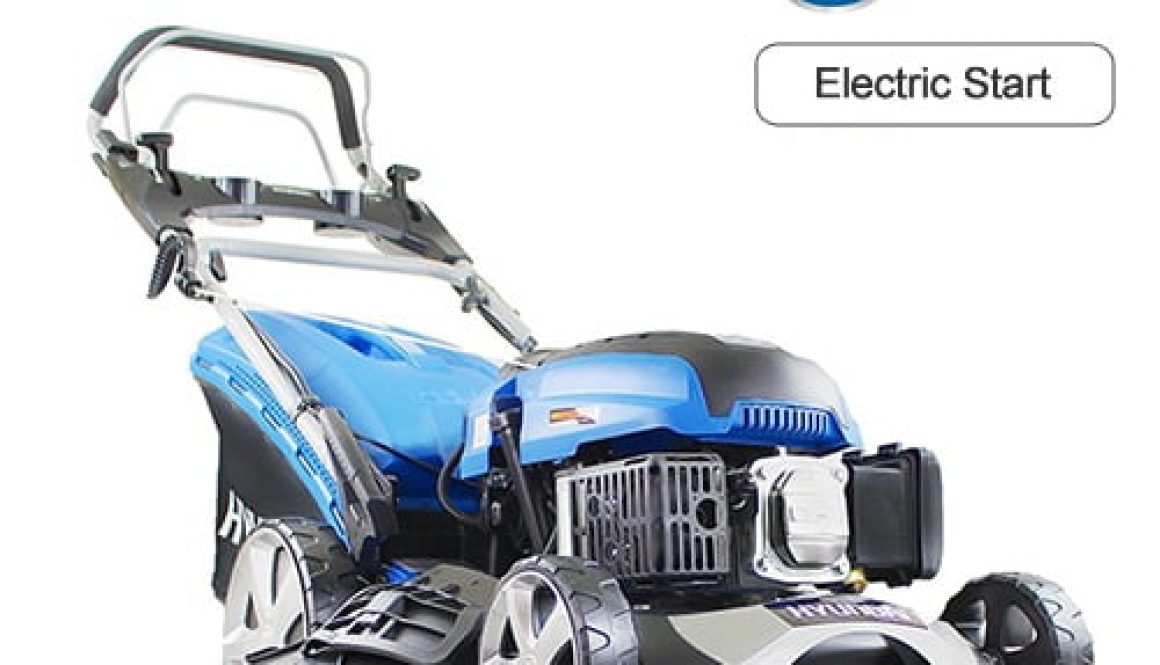
If you’re searching for an affordable, self-propelled lawn mower with the added convenience of electric start, this model could be worth considering. One of the best points about Hyundai garden machinery is that they offer a three year warranty for domestic use and a one-year warranty for commercial use. I always like the idea of a good warranty, as it normally means that manufacturers trust their machinery. I would recommend Hyundai mower is more for domestic work than for commercial landscapers and horticulturalists. They certainly offer good value for money.
Take A Look At My YouTube Video Below To Find Out More About The Hyundai Electric Start Petrol Lawnmower
Key Features of the Hyundai 139cc Lawn Mower
The Hyundai HYM460SP petrol mower comes with a range of features aimed at making lawn care easier and more efficient:
139cc Hyundai 4-stroke petrol engine
Electric start with a recoil backup option
Self-propelled rear-wheel drive for easy maneuverability
Six adjustable cutting heights (25mm to 75mm)
70-litre grass collector with mulching capability
Side discharge and rear discharge options
Foldable handles for compact storage
Durable steel deck
Cup holders included (if you need them!)
Three-year domestic warranty and one-year commercial warranty
This mower is ideally suited for small to medium-sized lawns, offering plenty of versatility and convenience for everyday garden maintenance.
Performance and Practical Use
One of the standout features is the electric start function, backed up by a traditional recoil system — giving you peace of mind in case the battery ever fails. The rear-wheel drive makes it easy to handle, especially when the grass collector is full, reducing strain and effort while mowing.
This Hyundai model also features a mulching option, allowing the mower to finely chop grass clippings and return them to the lawn as a natural fertilizer. However, for mulching to work effectively, it’s important to mow regularly and not let the grass get too long or damp.
Another handy detail is the single lever height adjustment, which makes it quick and easy to change cutting heights without fiddling around.
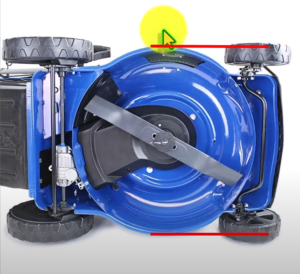
Hyundai Electric Start Lawnmower Deck
Things to Consider
While this Hyundai mower offers a lot for its price, there are a couple of points worth mentioning:
The deck could be slightly wider between the wheels. This would allow for mowing closer to edges, borders, walls, and sheds.
Although Hyundai offer a one-year commercial warranty, I personally wouldn’t recommend this mower for heavy-duty or contracting work. It’s much better suited for domestic use.
My advice is always to buy the best mower you can afford, especially if you plan to use it regularly. Higher quality usually means fewer issues and better long-term value.
Final Thoughts
For homeowners looking for a feature-packed, easy-to-use petrol lawn mower at a reasonable price, the Hyundai 139cc Electric Start Lawn Mower is a solid choice. It offers great value with its combination of electric start, self-propulsion, and multiple discharge options.